 New
Zealand Student Tours
New
Zealand Student Tours
Sample Tour Plans
Sample 8 Day North Island Itinerary (Ref: s8nie)
|
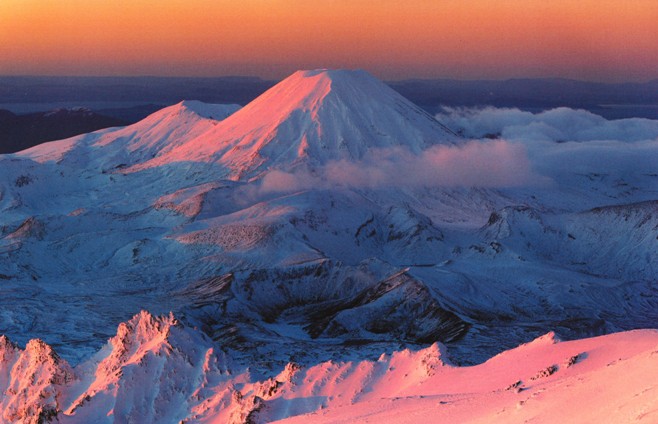
This volcanic tour visits
2
Theme Zones
with the world's greatest collection of active volcanoes
on New
Zealand's most populated island thriving with the rich farming soils and
consistent weather.
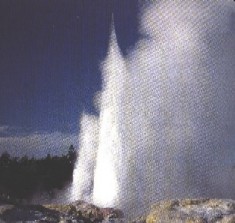
We can immerse into the cultures, study humanities, volcanoes and other physical geography subjects of interest. Main Highlight include: geysers, fumaroles, boiling mud, giant rivers, farming |
|
|
Day 1 Arrive Auckland
City
Day 4
At
Rotorua
Day 5
At
Rotorua
Days 7
At Mt Ruapehu
Day 8
At Mt Ruapehu - Auckland - Home
**********************************
Notes
Active
Volcano Zone &
Main Population Zone
are
distinctly different and yield their own
special learning opportunities with this itinerary.
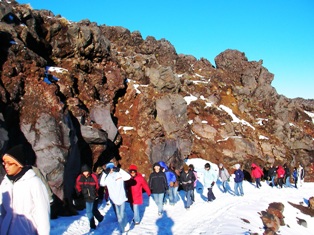
Volcanoes:
****
We can experience, shields,
cones, domes and calderas. We witness the full
range of deposits including ignimbrites, and ryolite, You
can even find a lava tube. We visit the site of deadly eruption that
destroyed a whole settlement only 120 years ago.
Recent
lahars and their paths are visible and we can explore their
destructive abilities, management, and warning systems.
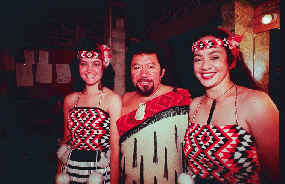
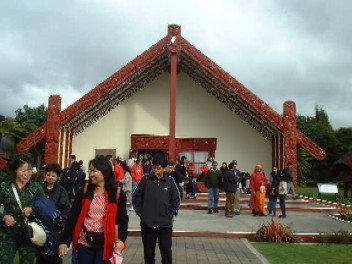
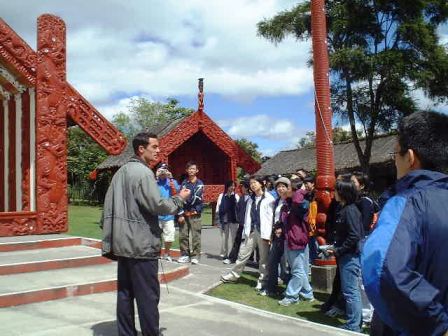
Maori Culture: ***
With this tour
you experience the country's most visited professional musical
performances along with very enlightening demonstrations of art,
tools, clothing, accommodation and lifestyles of the early and
modern Maori.
Limestone caves
The guided tour gives us easy and quick access to excellent
formations, and glow worms by world standards. Top grade black water
rafting opportunities are offered as an option during this tour.
Tectonics:
Because continental collision occurs under the land there are no
major active fault lines to observe. However, interested groups
will see excellent information centres explaining this phenomena and
its relationship to the active volcanoes and earthquakes.
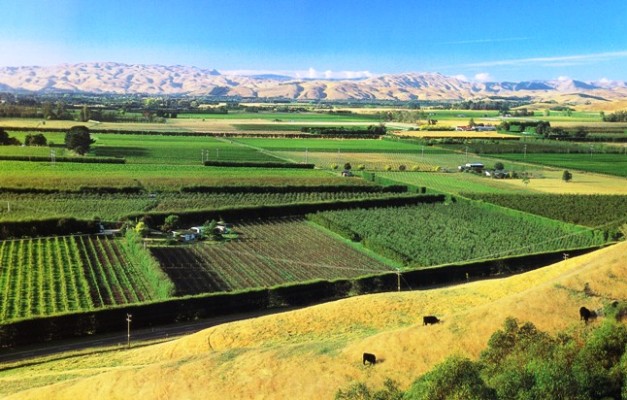
Fruit
Farming
Because of the deep rich soil and volcanic loam and high population
visitors pass some of New Zealand's most productive and expensive
growing land. Kiwi Fruit Farming is the special attraction here
for visitors.
Forestry*
Some of the country's largest plantations help us learn about
planting, culturing, harvesting, processing and management, of
these exotic trees timber trees. Studies include; soils, pests,
irrigation and fire control.
Modern Western
Culture *
There are many opportunities to meet the local people and learn
about their
On this tour you witness the greatest variety of different cultures
with different religions, attitudes, languages, values and interests
all impacting and changing the original British culture into a new
unique dynamic culture
of its own.
(Asian, Polynesian, Maori European and British)
Settlements
These are all
full and growing in the North Island. They all obtain the bulk of
their income from farming industries. However, their history
shows differences. We find other supporting industries including:
gold, coal, education and tourism.
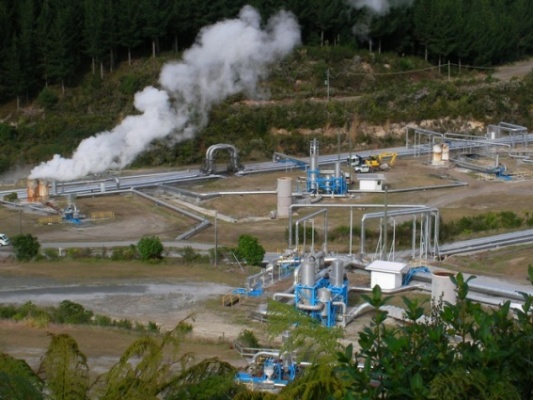
Hydro Electric Power
there are a number of these located on the large Waikato River that
we frequently encounter. We can learn about the physics,
engineering, electricity generation, electricity distribution
systems, environmental considerations, recreation and irrigation
advantages etc
Rivers
On this tour rivers are have eroded and spread the soft soils
revealing extensive flood plains, terraces, and slow moving lower
course flows. Remnants of their use for transport can still be seen
on the banks of New Zealand's longest, the Waikato.
Conservation
Because of intense farming, by a concentrated population the need
for environmental care in the places we visit is important. Of
particular concern are: river pollution, pests, predators,
infestations and erosion.
Fauna and Flora
We explore the way plants depend on
each other and see also competition, needs, regeneration sequences,
specialised survival adaptations, carbon cycle and global warming
phenomena. We take a look at management systems, National Park's Act
replanting programmes and natural regeneration processes after
volcano eruptions and landslides.
Weather
Different microclimates
exist between the low coastal lands and the high
volcano plateau lands. Generally weather is ideal for good
temperate farming production.
Map reading: With
clear features and steep contours this is a good location for map
reading study groups. |


great learning adventures
for knowledge, experience and confidence
Top